“‘Spinning a yarn’, ‘weaving tales’, or ‘plot threads’: these familiar expressions all hint at a long-lasting metaphorical connection between storytelling and cloth-making. The English words ‘text’ and ‘textile’ even have a shared origin in the Latin word texere, ‘to weave’. Ancient Greek and Roman writers too saw connections between the crafts of fabric creation and composing poetry. Yet, despite this emphasis on the links between storytelling and weaving, in the ancient sources these two types of activity were often sharply divided along gendered lines.”- Dr Emma Bridges (https://london.ac.uk/news-and-opinion/leading-women/arachne-craftivism-weaving-womens-stories)
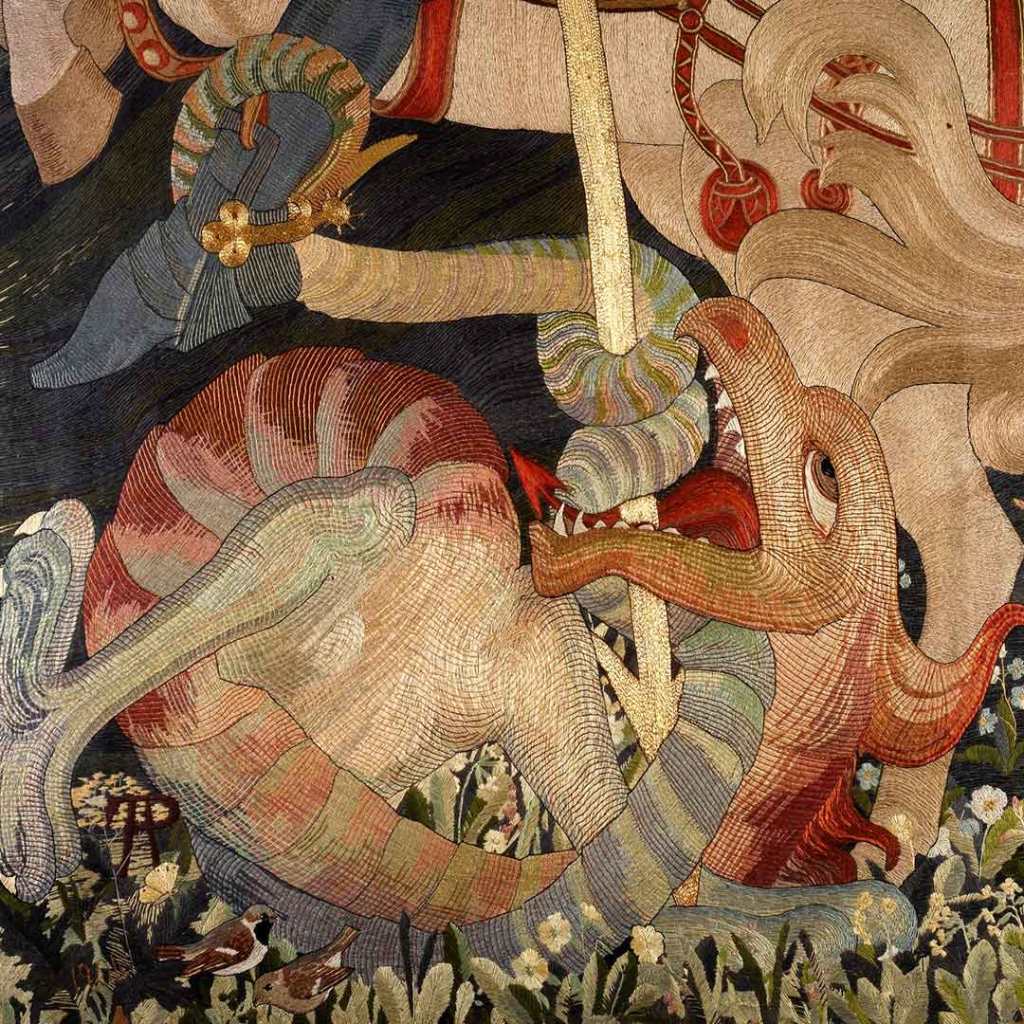

After the sequential art workshop i have started to realise the links that it has to my theme. The idea of nurture/care being a straightforward ‘give and receive’ act does not always fit with a mother child bond. In my experience like a story it has had many ups and downs along with contradictions. Thinking about the idea of nurture as a story filled with gaps has helped me to explore the inconsistency that comes with it.
looking into the history of weaving it is interesting to see how it has always been the work of women and indirectly documented their stories in contrast to the typically written texts of men. I think this holds a really strong link for me personally, being told by mostly male teachers that my writing is not good and lacks structure or clarity, i have returned to the crafts i learnt from my mother as a child. It feels often that the voices of women are not celebrated enough for the solidity of text. Although things aren’t quite the same now, I can really appreciate how the creation of cloth can in some ways communicate that experience. I am reminded of ‘Arachne’ in greek mythology, a young weaver confident in her skill so much that she is turned into a spider by athena for boasting that she is better. And the works of louise bourgeois, also portraying her mother as a spider, a creature so often connected with evil whilst also being so skilled and well equipped to weave a nest for their young and consume the male in search of nutrition. And another story of Penelope, Odysseus’s wife, who is often written about sitting next to her loom or unravelling her weaving in devotion to her husband. I find it interesting that the women in these stories are celebrated for the virtuous nature or devotion to men and then punished for being too loud or too skilled.
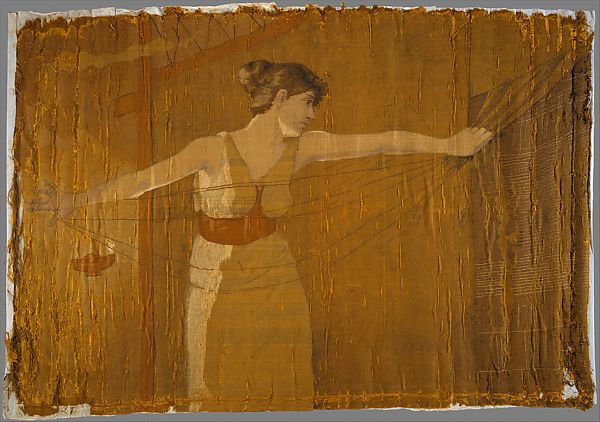
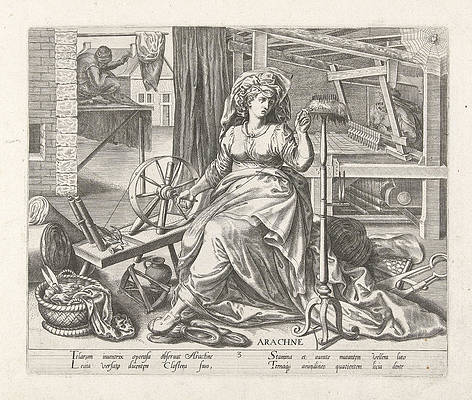
I have started to combine text and fabric work and have realised now how it connects to storytelling. when i think about storytelling i think about how its purpose is to create a perfect scenario, where each character has an intention, and at the end a lesson is formed. The process of writing a story is not that different to weaving cloth, i will keep this in mind whilst making more work to see if this might effect the combination of forming imagery and involving text.
Moving forward to 1919, the bauhaus was created with the intention to hold equal places for men and women within art. However, this did not become the case and reinforced the typical roles of gender, often the woman approaching the institution were not accepted into any program other than the textile workshops. This didn’t hold them back, the result was a total reinvention of how materials can be used. They brought skills typically referred to as women’s work into the fine art world, exploring new forms and techniques.
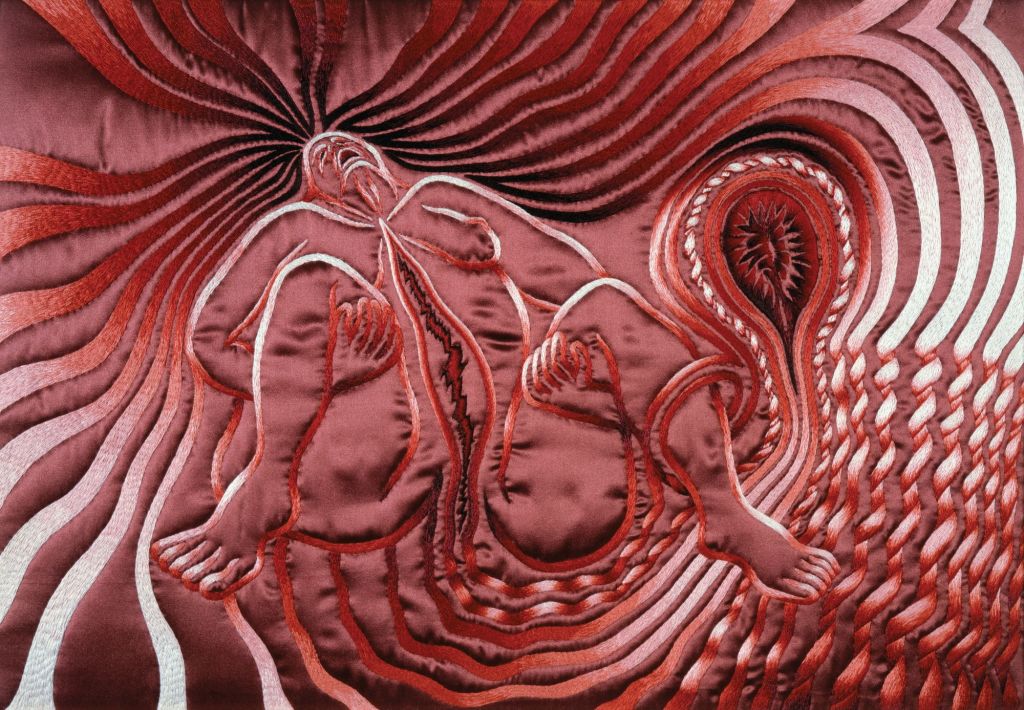
In more recent years contemporary women artist are reclaiming the loom to challenge what was expected of them for so long. Artists such as Judy Chicago and Erin M Riley are creating bold depictions of a women’s experience from childbirth to body hair. I think through the making of textile over time you would be able to see the slow arising but important victories of women’s freedom. Ive started to realise that maybe my project is more to do with a mother daughter relationship than i had hoped but i feel that this medium could be a really important one to utilise considering the ongoing connection with female experience.

 Abigail yeats CAP