
Born 1978, Celia Pym is a contemporary artist that uses textile as a way to explore a mending technique. she studied sculpture at Harvard and went on to gain an MA in constructed textiles at the royal college of art, London. Later in her early 30’s she went on to train as a nurse, which is something you can see leach into her art; the exploration of care is an important factor of her work. Her mending work began when she inherited a jumper worn by her uncle, an artist who had just passed away, the sleeves had completely worn through in places where he had leaned on his arms to create his work. She saw this as a really important part of his history and it was documented by something physical leftover, instead of trying to hide the holes she mended them with a contrast colour of wool to highlight and preserve his own unique movement and use of the jumper. Whilst doing this she noticed darning that her aunt had done to salvage this jumper before she had passed away; pym saw how a piece of fabric could hold so much presence and personality of people. Along with this she realised the care that goes into tending to it, looking after something for such a long period of time suggest it is an object that is well loved.


From this initial realisation came a project called “the catalogue of holes” beginning in 2007. She invites people to bring garments to her and they discuss the story behind it and what the best way to mend it would be. This interaction also builds another relationship into the story as she is the one mending it; it feels like an act of remembrance for the time passed since the fabric was new. she talks about how “Darning is small acts of care and paying attention. The damage, in a way, does the work for me” she goes on “I respond to it. The mending is slow work to hold the damage in place.”


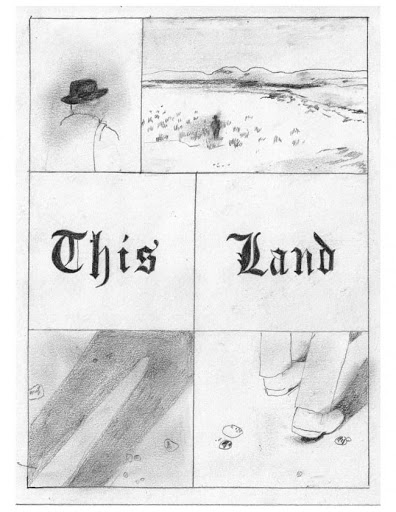
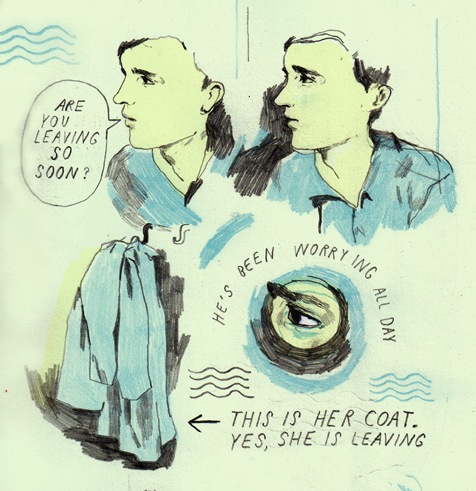
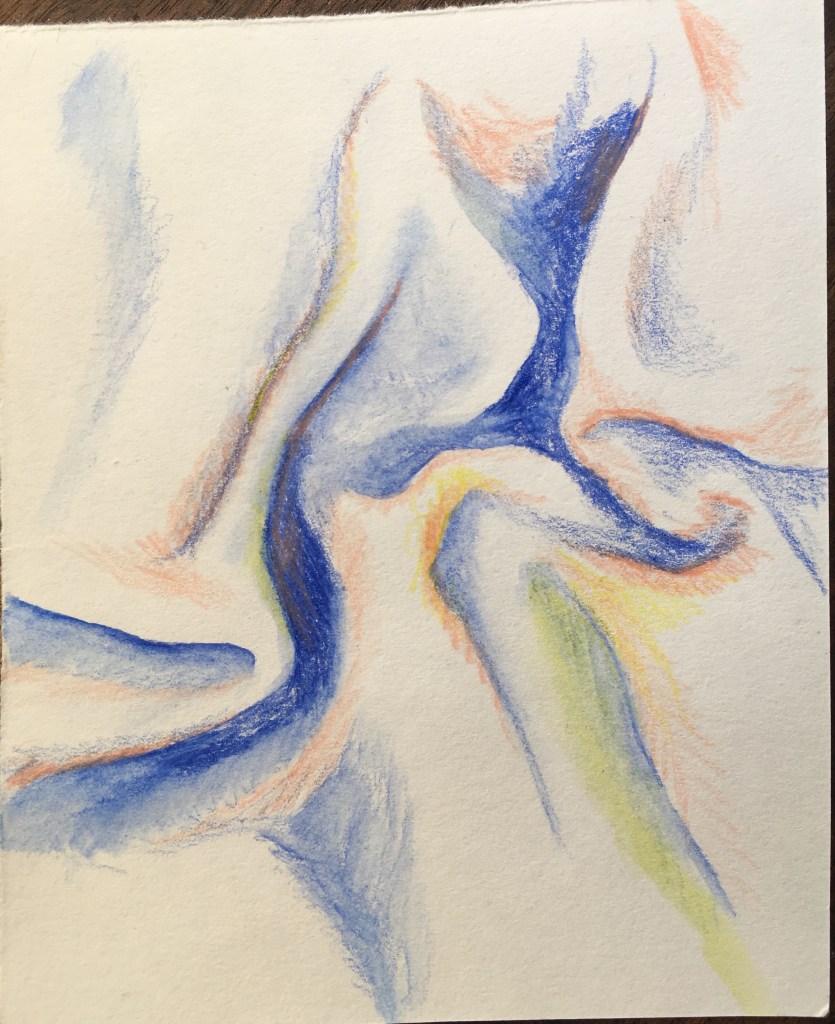
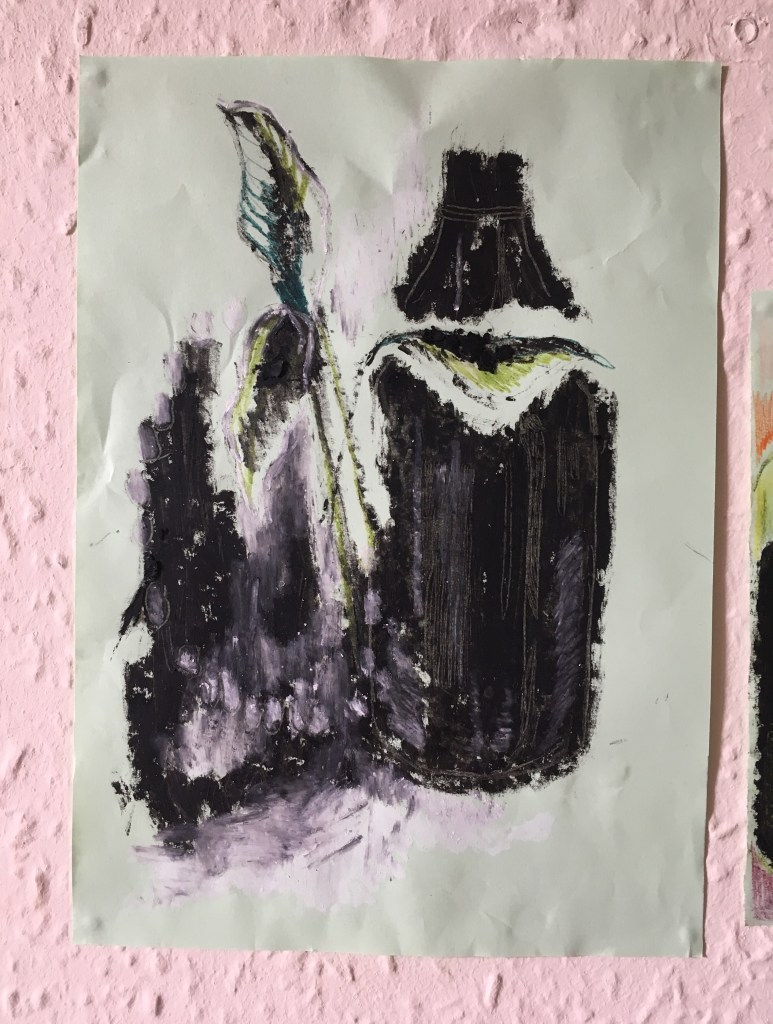
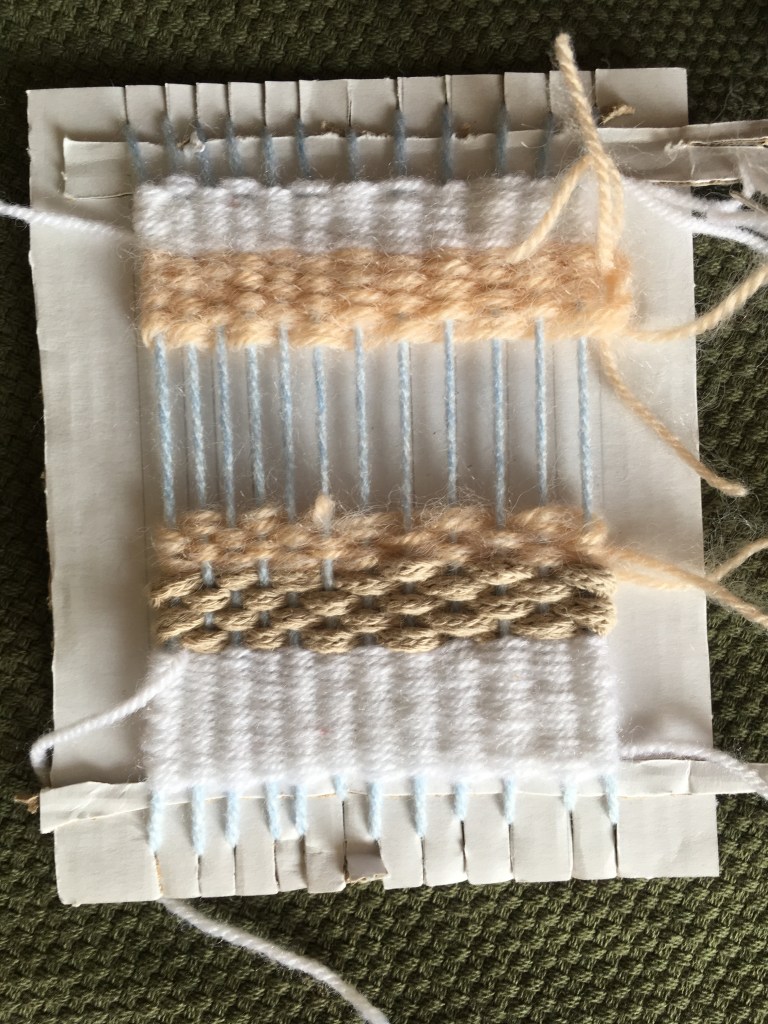
Alongside these mending works is a large collection of work that explores collage-like versions of her main focus. They look at reusing found materials, colour, form and negative space. Even though this work is quite different you can still witness the care at the centre point of her theme. Using textile as a medium invites touch, it shows that the work is made to be a second skin of someone or at least an item to interact with the body. The tenderness of touch is a key factor of her theme, i think this is what inspires me. The way she looks at interpersonal relationships is really special and honours areas of imperfection. The contrast between damage and healing is something i hadn’t thought about before and id like to find ways to explore this in my own work, perhaps by finding my own way to mend gaps in my sequential work.


















 Abigail yeats CAP